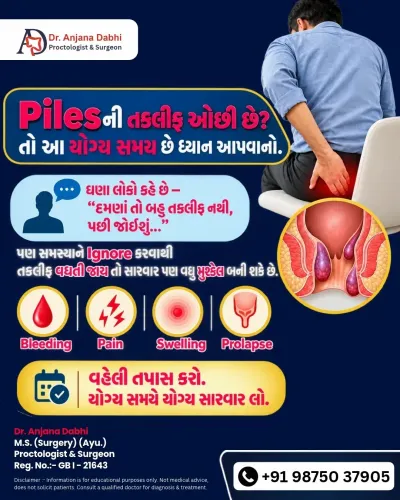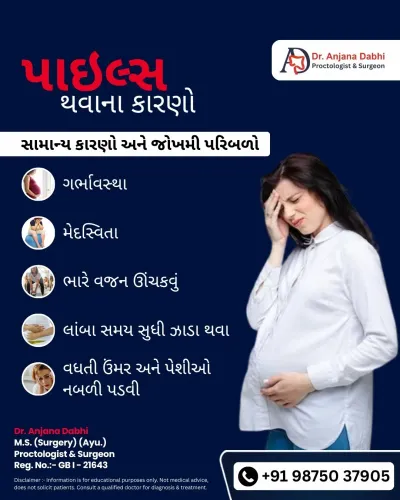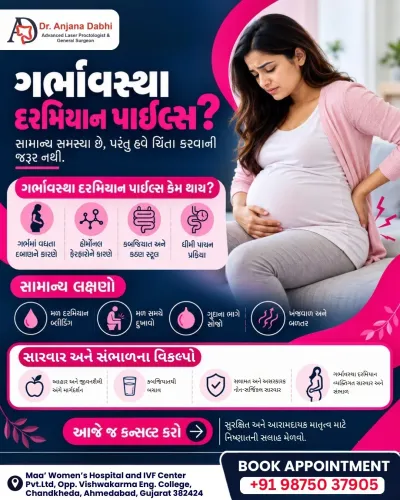
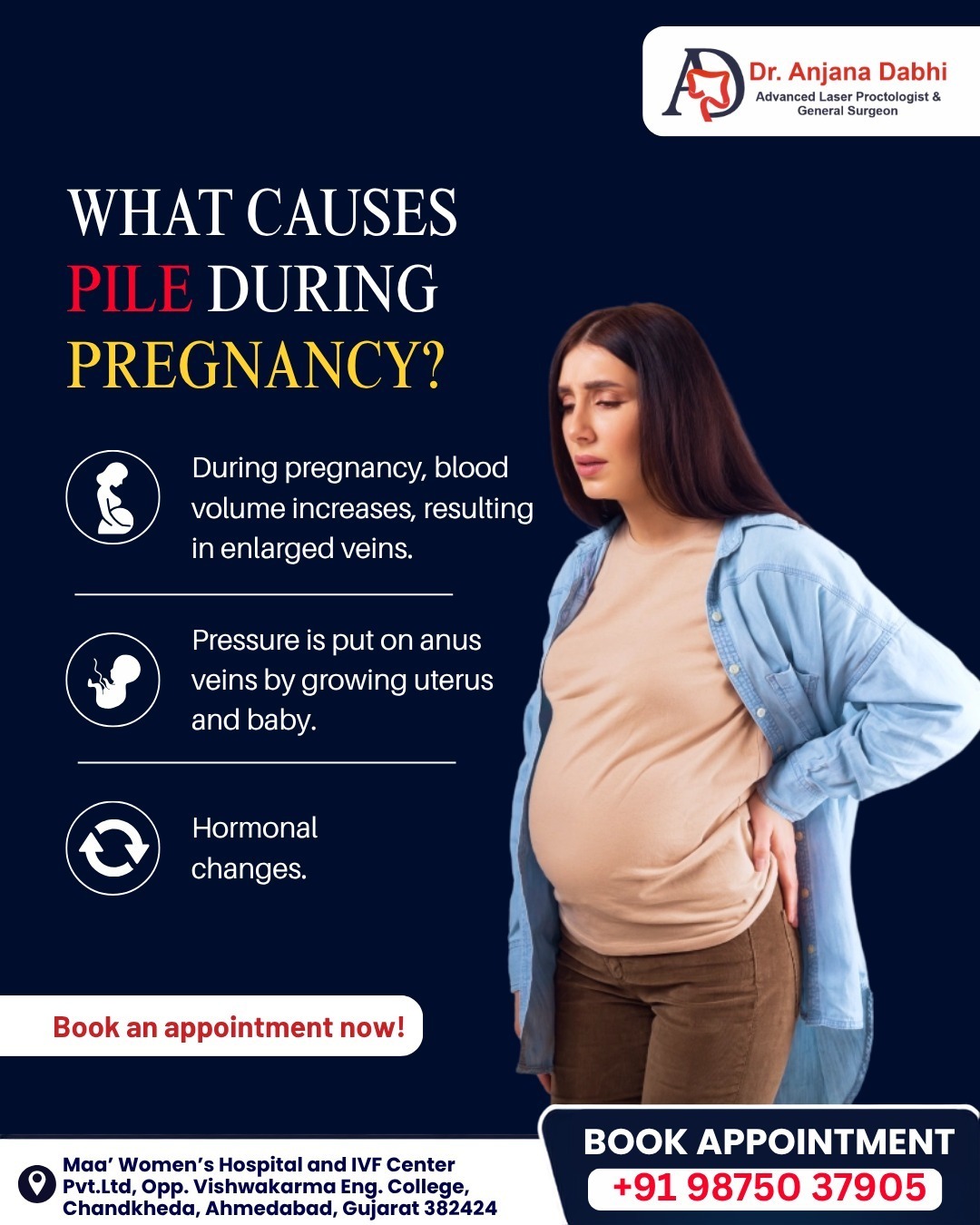
Piles during pregnancy are common due to hormonal changes, increased blood volume, constipation, and pressure from the growing uterus on the veins around the rectal area. Symptoms may include pain, itching, swelling, discomfort, or bleeding during bowel movements. If these symptoms occur, timely medical consultation can help manage discomfort and prevent complications.
Plan piles treatment during pregnancy carefully based on the mother's symptoms, pregnancy stage, and overall health. In many cases, doctors may recommend dietary changes, adequate hydration, fibre-rich foods, gentle physical activity, and other pregnancy-safe measures. Surgical or procedural treatment is generally considered only when medically necessary.
If you are experiencing persistent symptoms, avoid self-medication and consult a qualified specialist for proper evaluation. With the right guidance, Piler treatment during pregnancy can focus on safe symptom management while protecting maternal and fetal well-being.
Book a consultation with Dr Anjana Dabhi for personalised evaluation and medical guidance.
Keywords